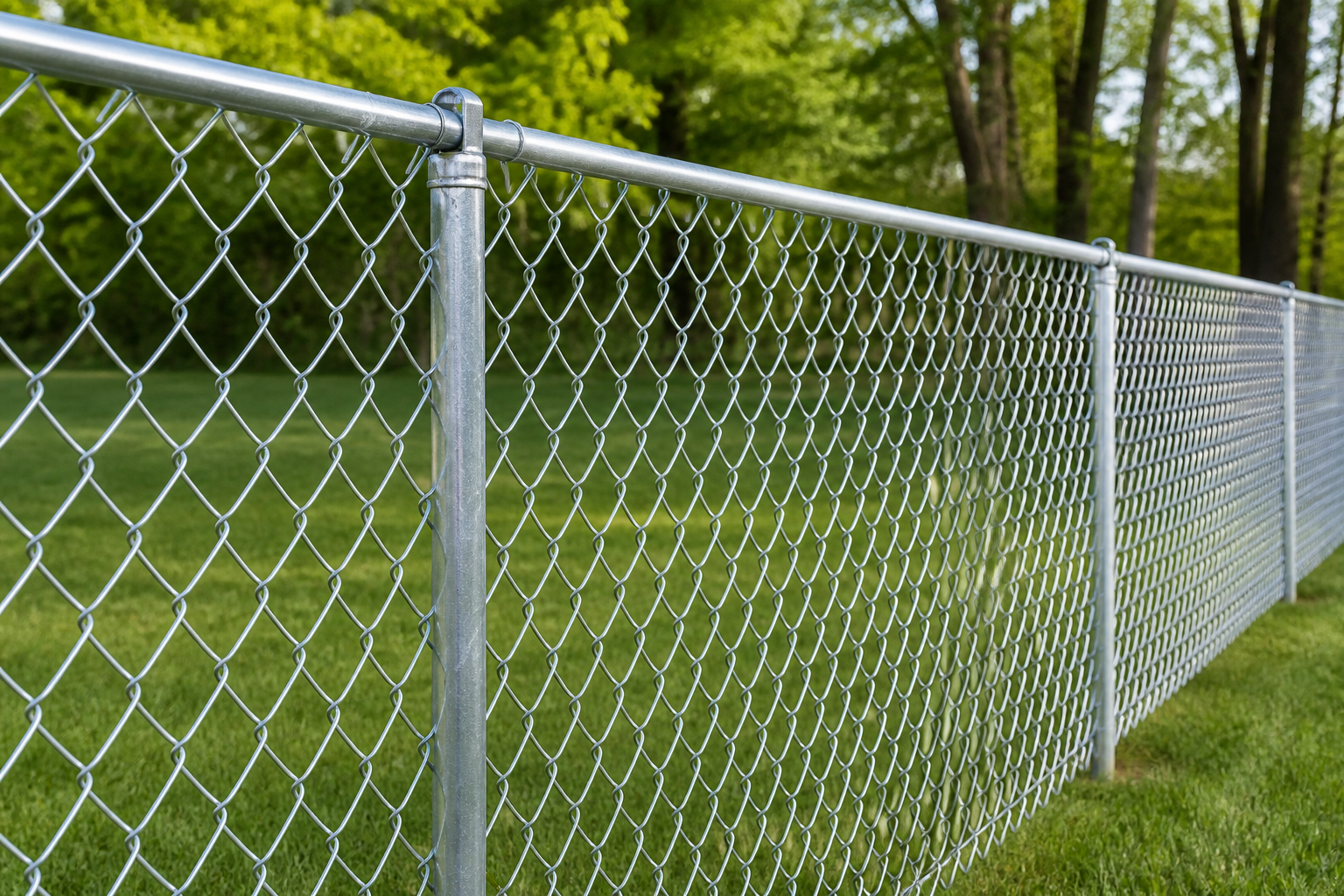
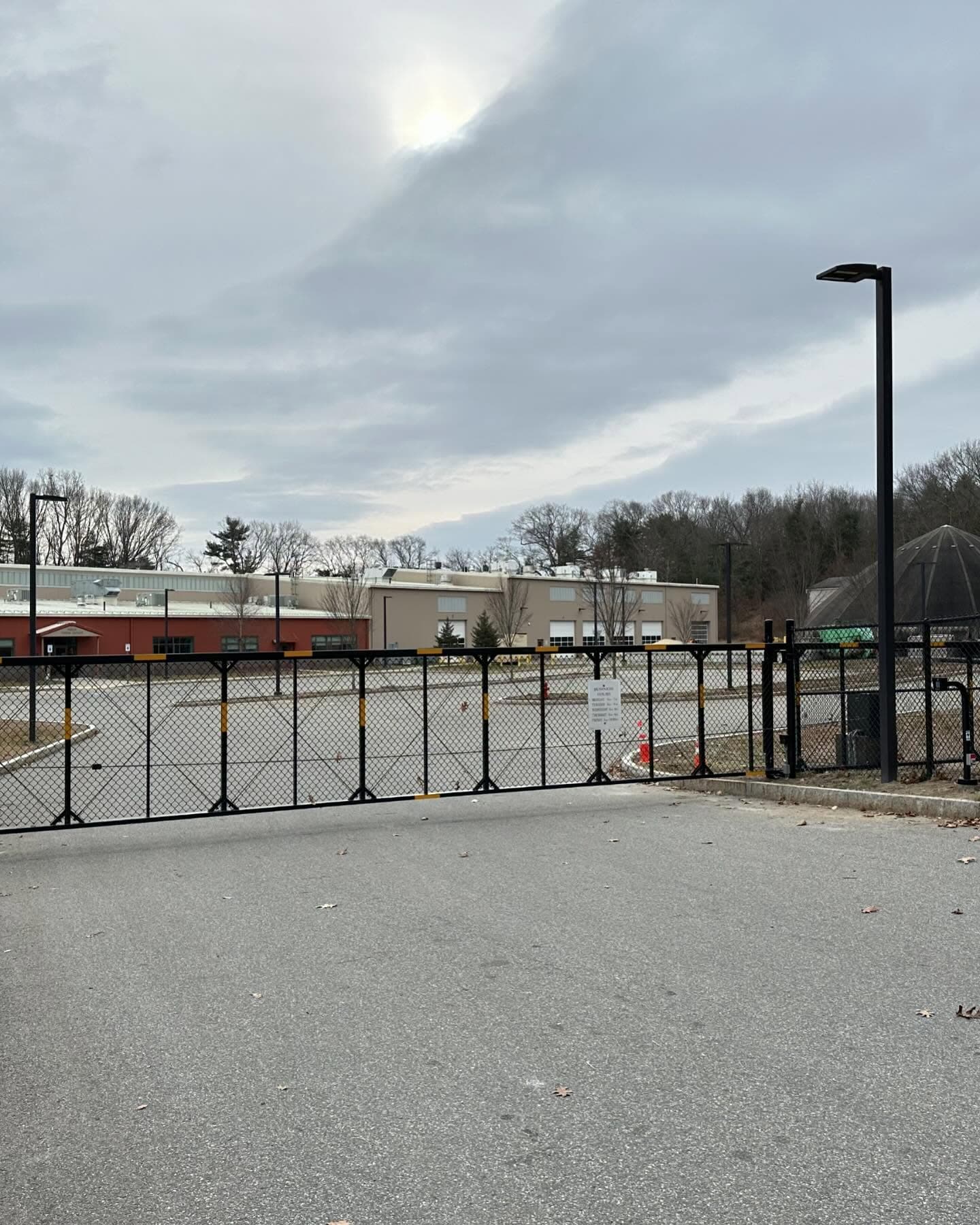
Six-foot galvanized chain-link panels around the perimeter, with vehicle and walk-through gates where your trucks and crews come and go.
Fence off the site. Keep the public out.
Temporary chain-link and crowd-control barrier for Massachusetts job sites and events, up fast and gone when the work ends.
Let's Get Started On Your Fence Project...
The work
There is no single OSHA rule that says put a fence around the job site. What the rules do require is that people on foot stay clear of the hazards: open excavations barricaded, falling-material zones blocked off, moving equipment kept away from anyone walking by. On an open lot with the public a step away, one continuous perimeter is how a site covers all of that at once.
We set that perimeter for you. Chain-link panels go up along the property, gates where the trucks and crews come through, and screening where the town or the neighbors want the work out of view. When the job or the event ends, we pull it out.
What we build
Every estimate is set to your property, but this is the shape of the work.
Six-foot galvanized chain-link panels around the perimeter, with vehicle and walk-through gates where your trucks and crews come and go.
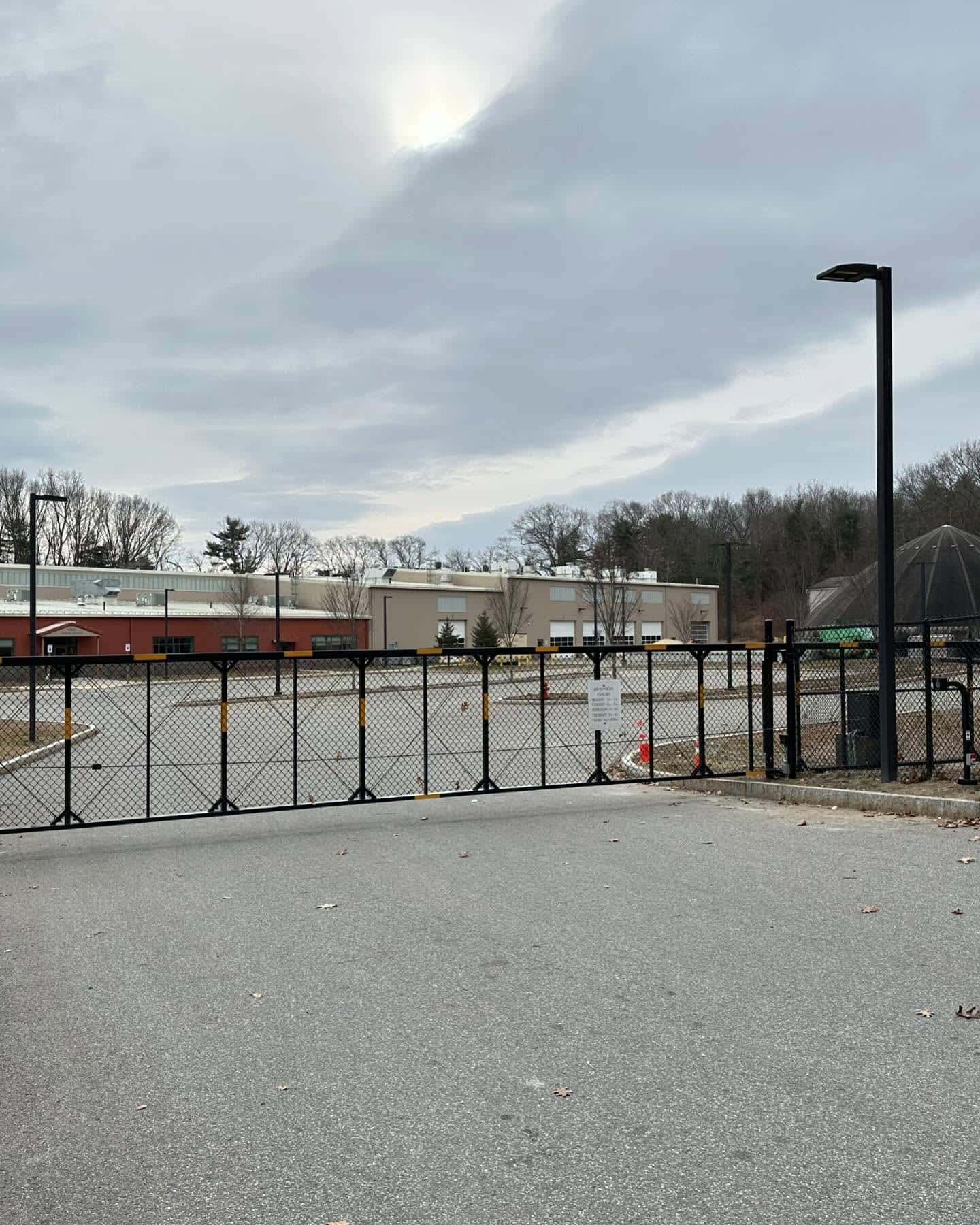
Interlocking steel barrier, the bike-rack kind, to line a route, section off an area, and hold a crowd back from the stage or the street.
Panels stand in weighted above-ground bases, so nothing gets dug in. The fence goes up on pavement or hard ground and moves as the job changes.
Mesh screen fitted to the panels that holds dust and debris on the site and blocks the view in, while letting wind pass through instead of catching it like a sail.
We bring the panels, set the run and the gates, and haul it all off at the end of the job.
How we work
The same order of operations on every job, so nothing gets undone later.
We map the run with you: where the fence closes off the hazards, where the gates go for the trucks and the crews, and how much of the work the town or the neighbors want screened. Panels drop into above-ground bases, so there are no holes to dig and no ground to patch after. When your project or your event is over, we come back, pull the fence, and leave the site the way we found it.
Why AnyFence
A job site has to keep the public clear of open excavations and moving equipment. One continuous fenced perimeter is the straight way to do it, and we set it to close every gap.
Panels stand in weighted bases on top of the ground, so we can fence pavement, hardpan, or a finished lot and pull it out later with nothing to restore.
Vehicle openings for the trucks and equipment, walk-through gates for the crews, set where your site flows.
Mesh screen keeps dust and debris on the site and the view out, and lets wind through instead of catching it like a tarp.
From our work portfolio
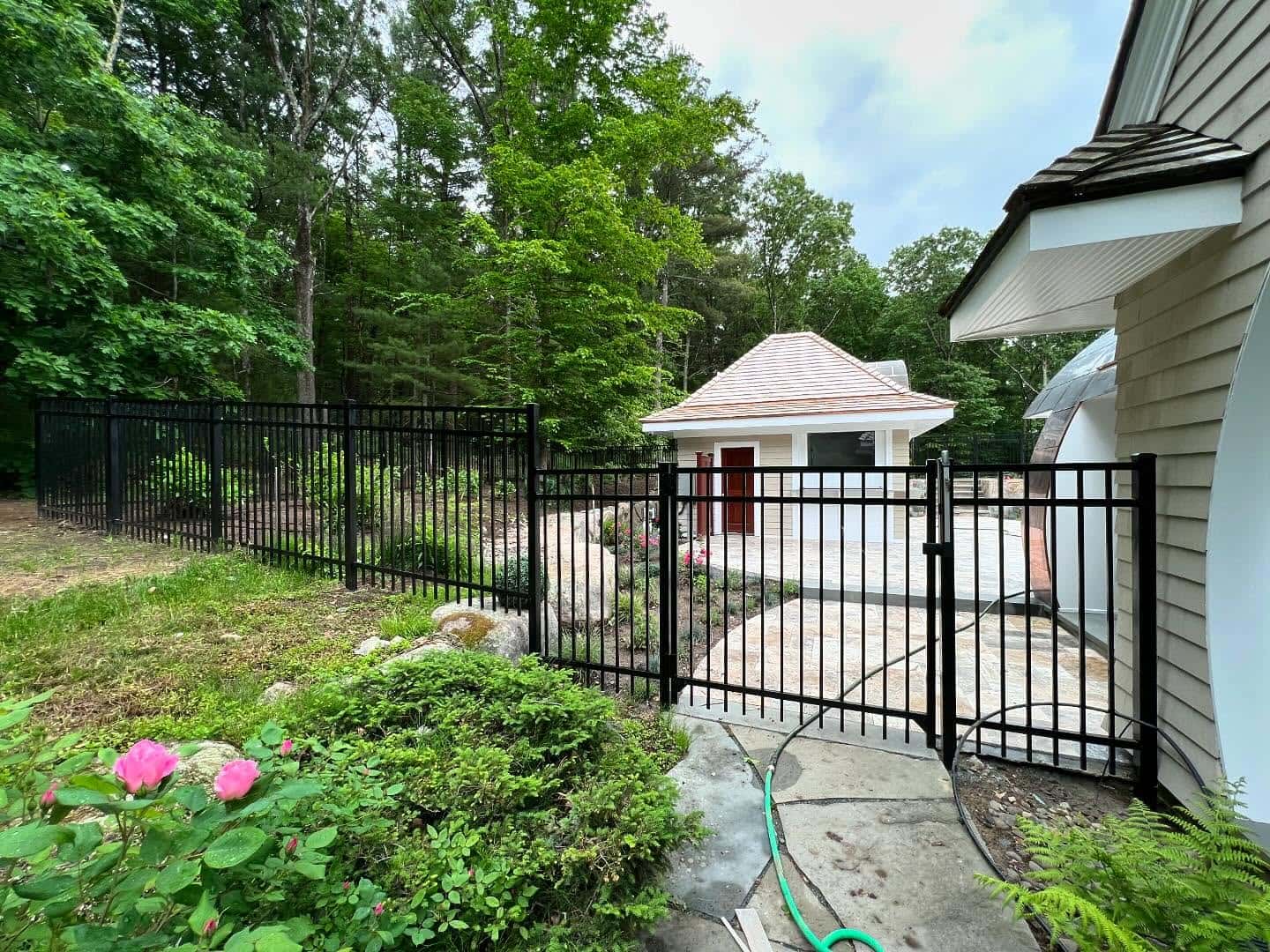
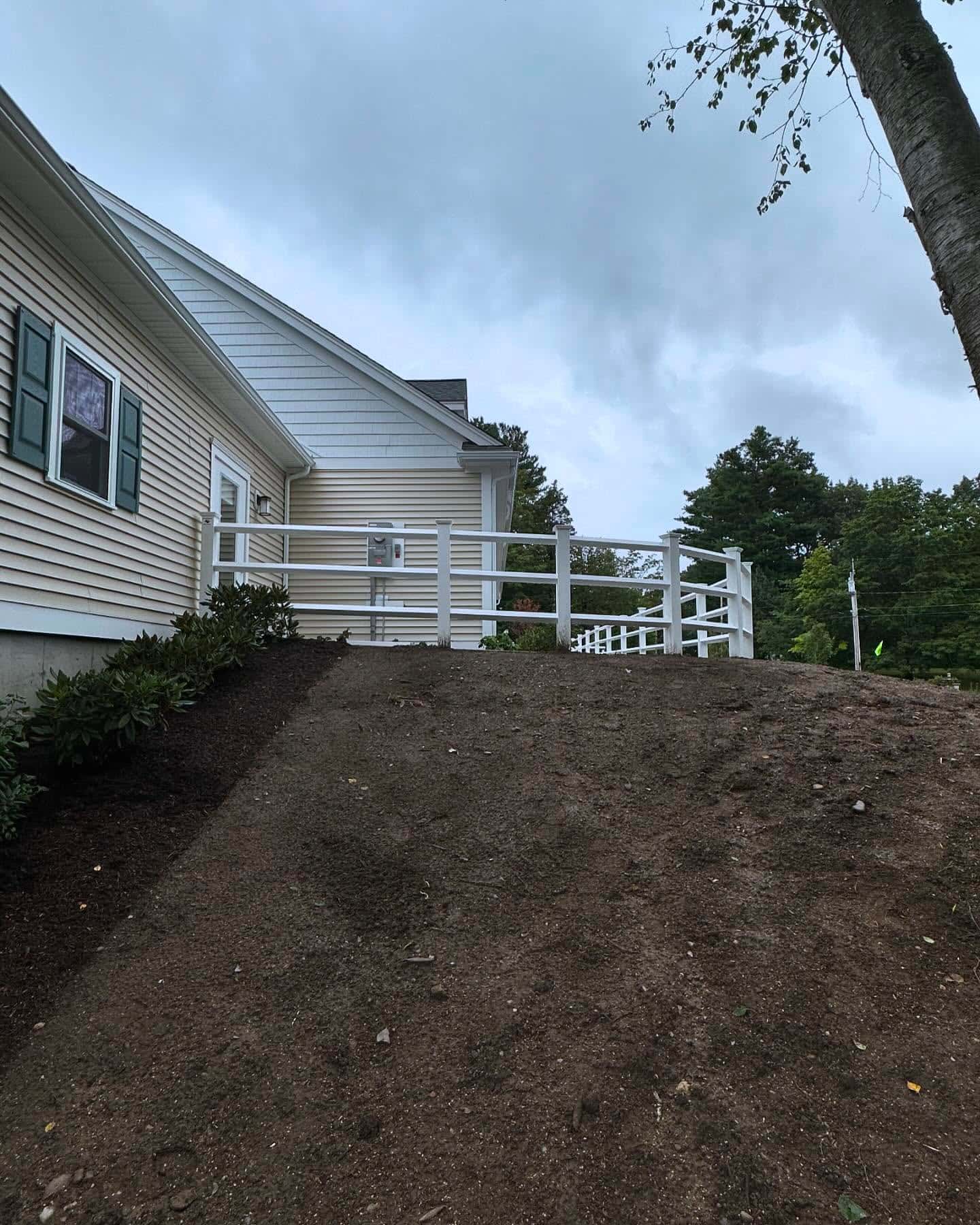
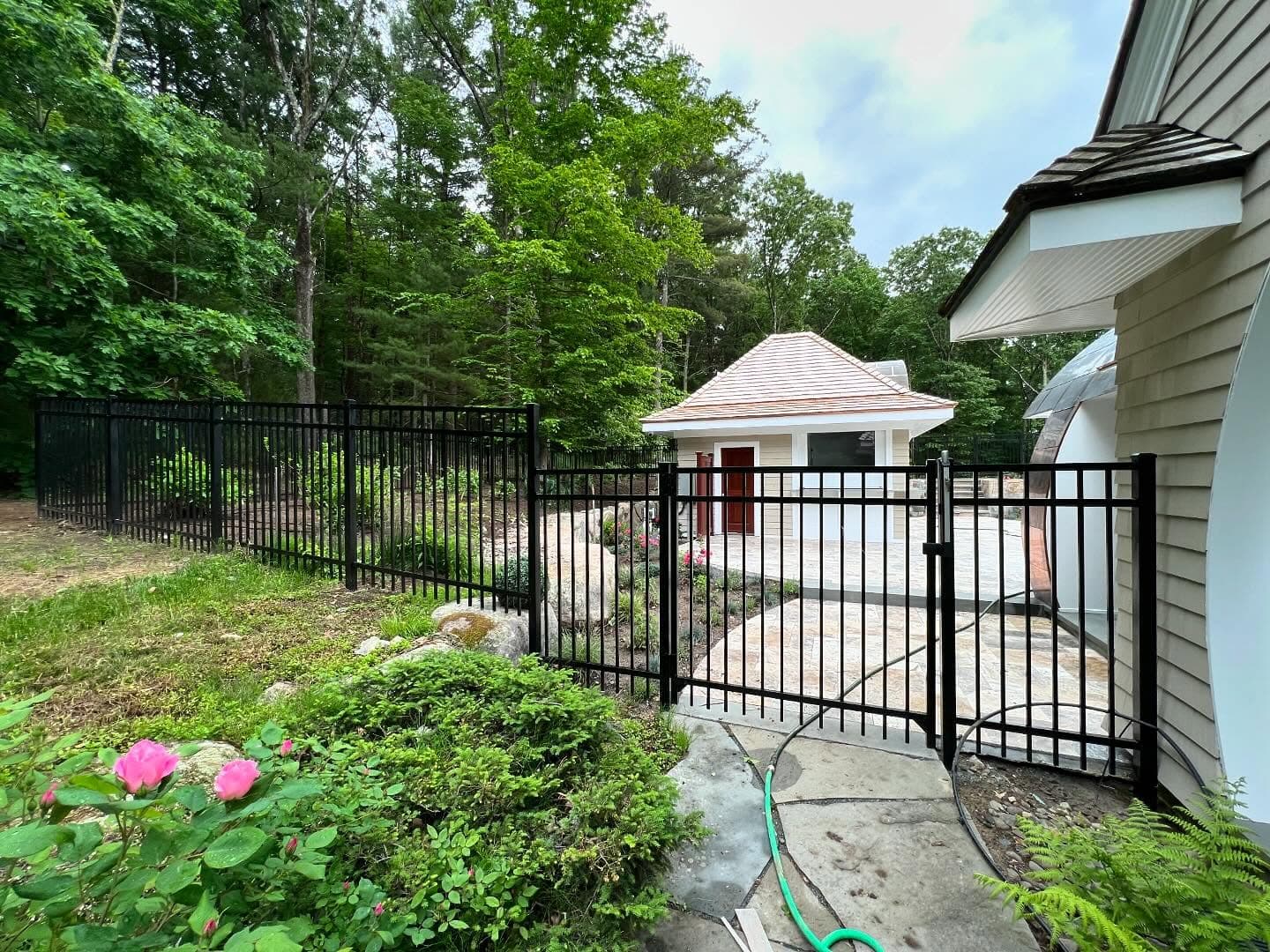
Different yards, grades, gates, and property lines, built by AnyFence crews.
Materials
These are the materials for this service. Pick by look, upkeep, and budget, or let us recommend on the site walk.
FAQ
There is no single OSHA rule for site fencing, but the rules do require people on foot to be kept clear of the hazards: open excavations barricaded, falling-material zones blocked, equipment separated from anyone walking by. A fenced perimeter is how most sites cover all of that at once, and how they show it was covered.
For a job with an end date, renting fits the need. The panels stand in above-ground bases with no posts to set, so there is nothing to install or store, and the fence leaves when the work does. Buying earns its keep only if you fence the same yard year-round.
The standard construction panel is six feet tall and twelve feet wide, galvanized chain link on a steel frame. Set side by side in their bases, they make a continuous six-foot perimeter.
Yes. We fit mesh screen to the panels. It holds dust and debris on the site and blocks the view in, and because wind passes through it, it does not catch the wind the way a solid tarp would.
Yes. For events we set interlocking steel barrier, the bike-rack kind, to line a route, section off an area, or hold a crowd back. It stands on its own and links end to end.
We set the fence before your start and pull it when the job or the event ends. Tell us the address and the dates, and we plan the drop-off and the pickup around them.