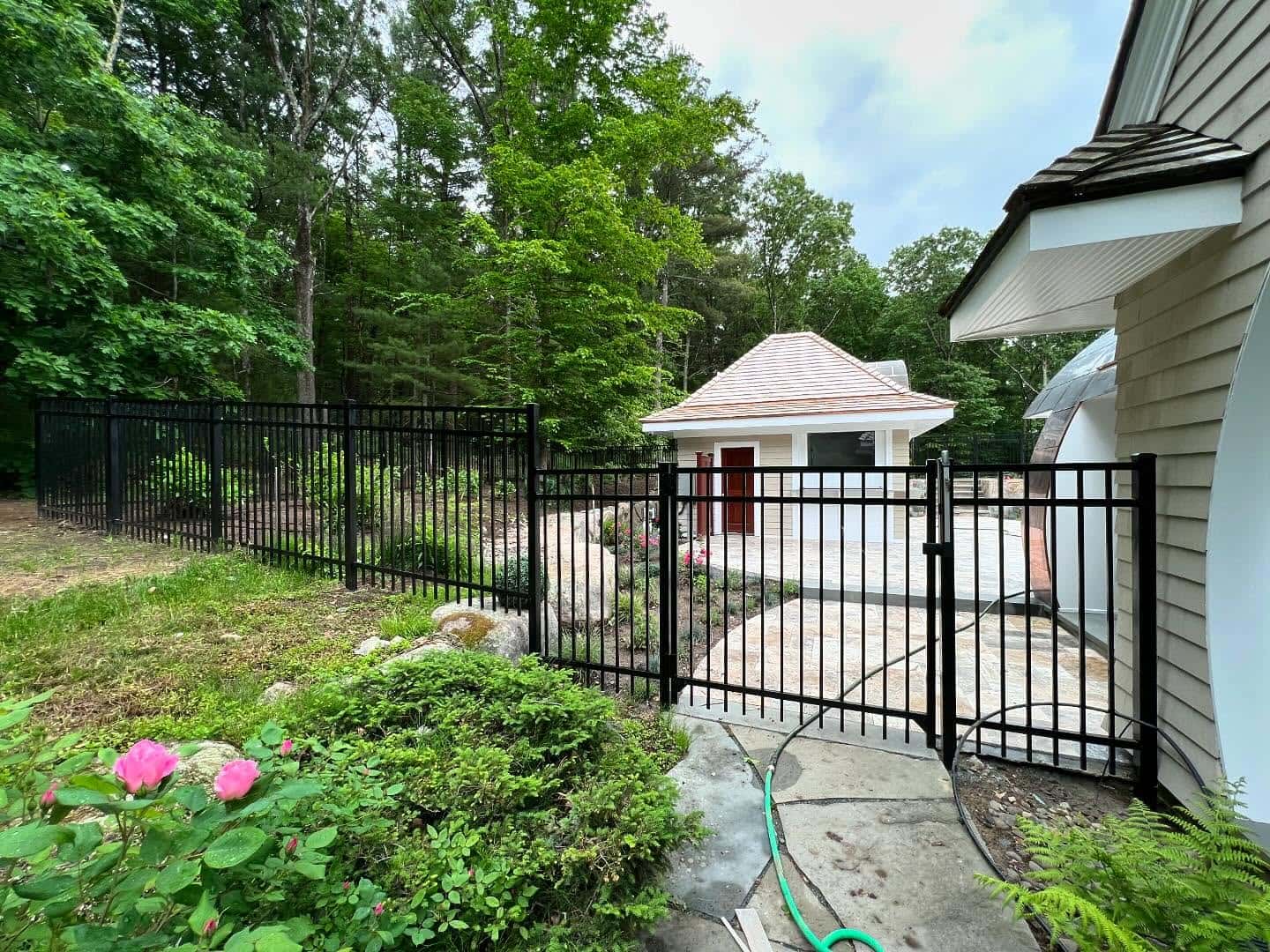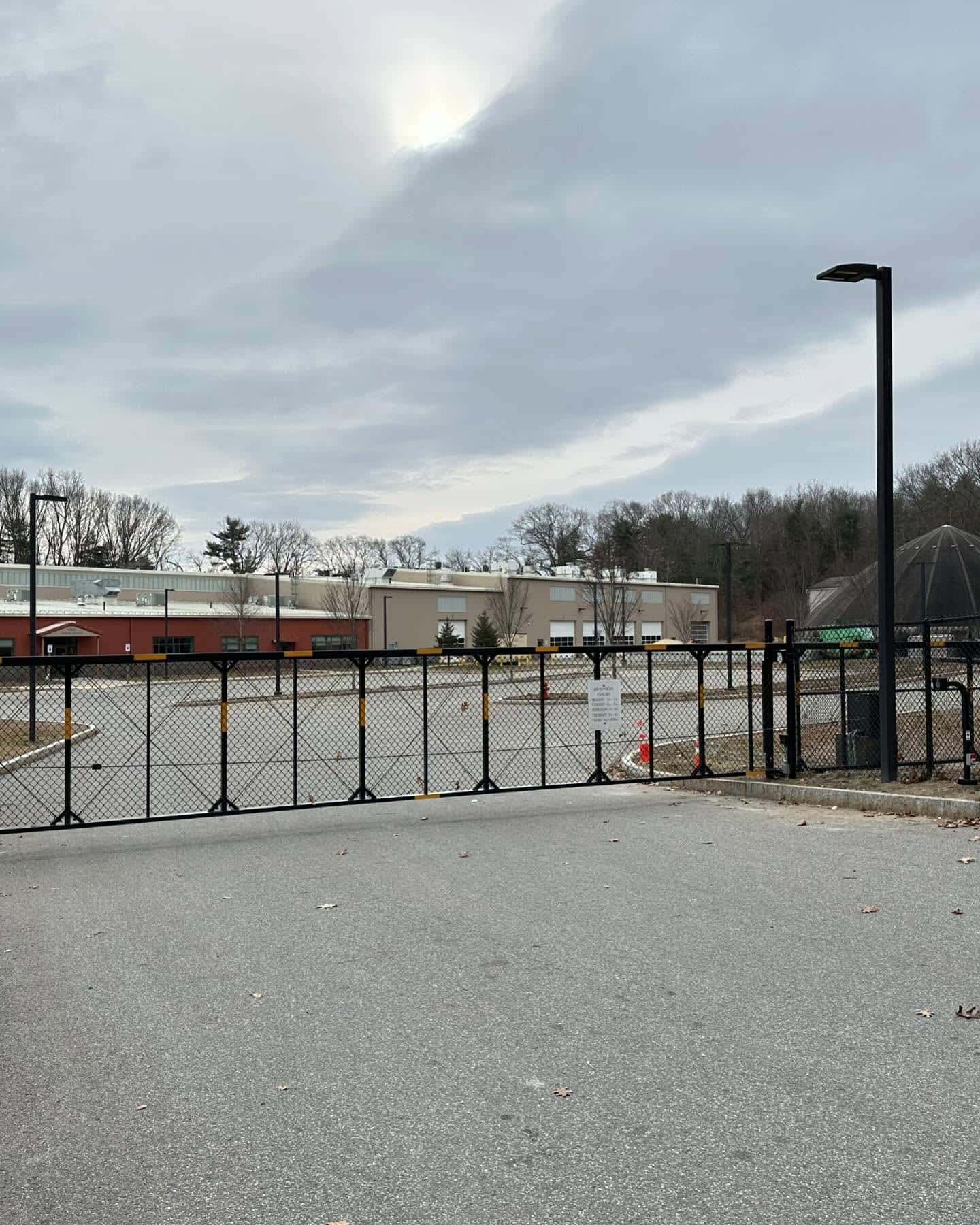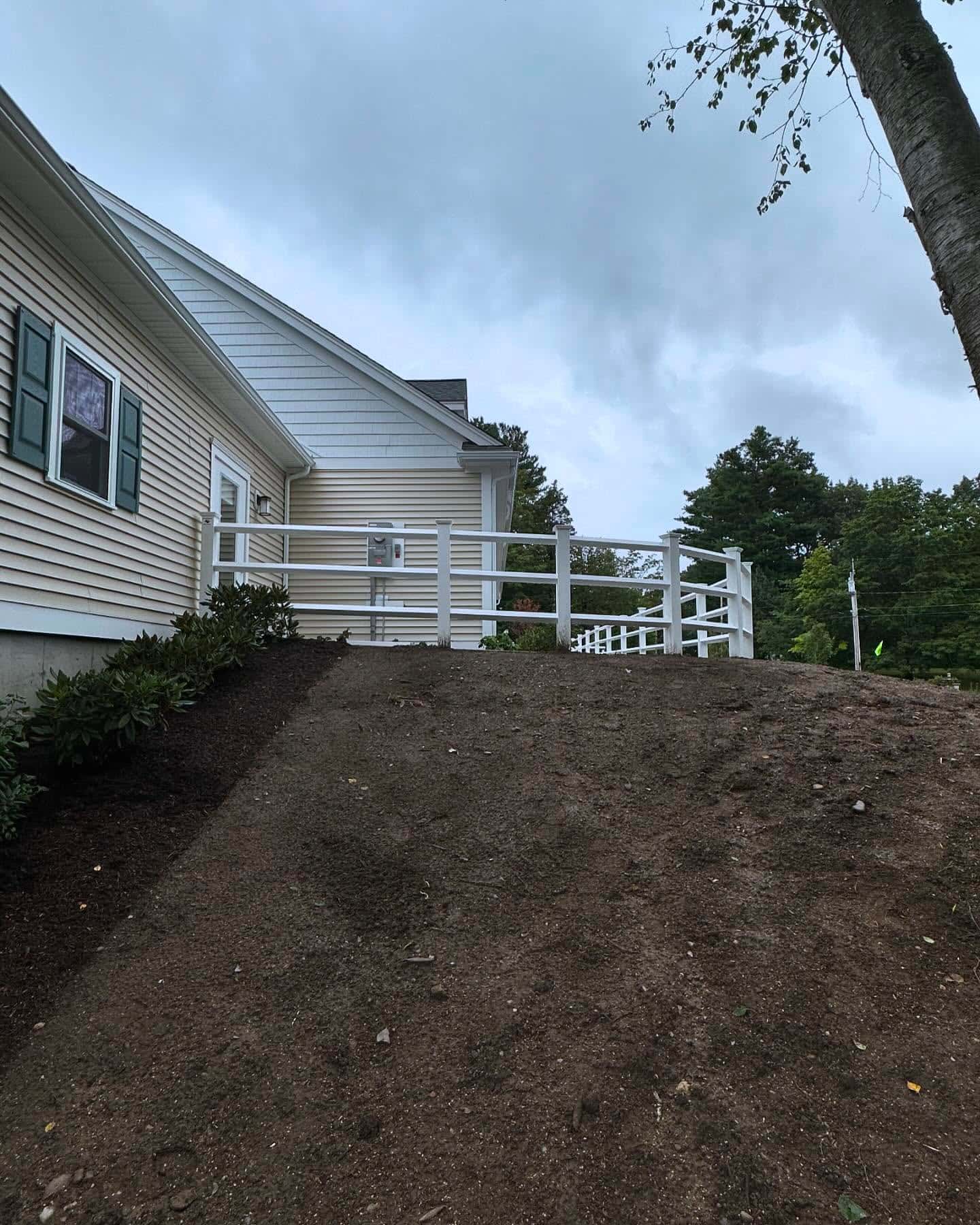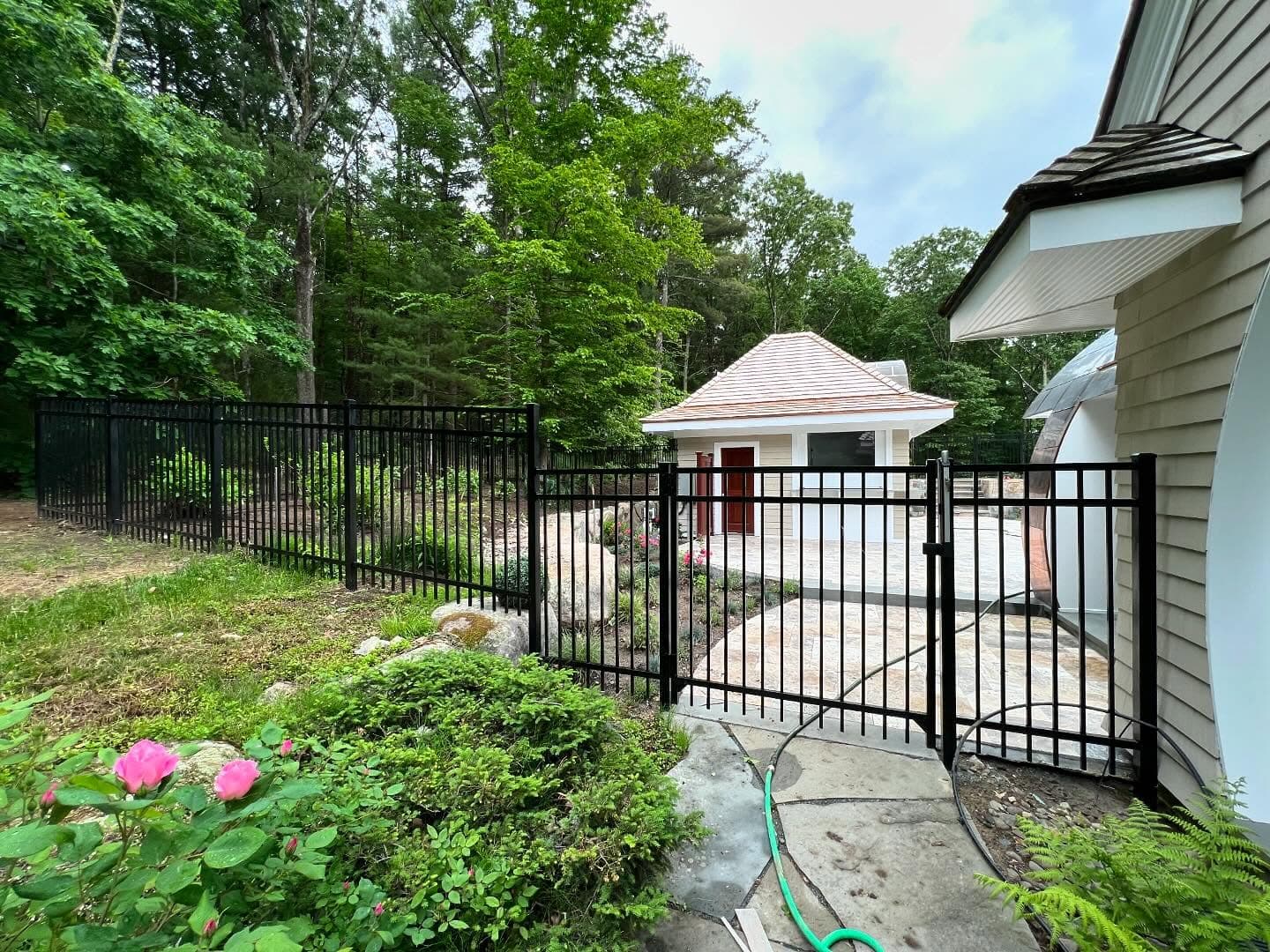
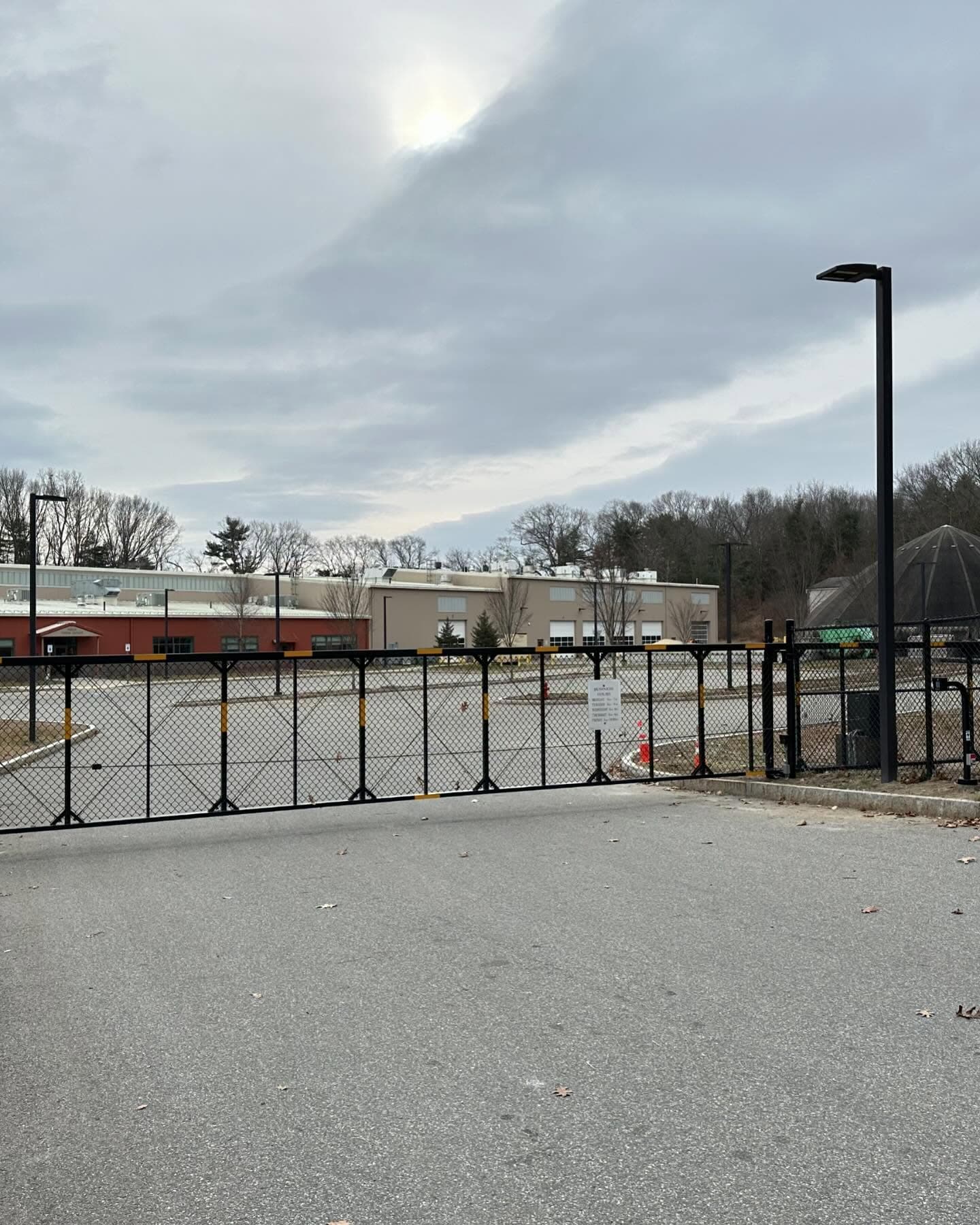
We take down the failing fence, posts, panels, and gates, and clear the run so there is nothing left to build around.
The old fence comes down. A better one goes up.
We tear out the failing fence, haul away every post and footing, and set a new one built for New England winters.
Let's Get Started On Your Fence Project...
The work
Most fences fail from the ground up. The panels can still look fine while the posts rot at the base or lean past the point where they will ever come back to plumb, and once a post goes it takes the sections around it with it. When more than one or two have gone that way, another repair only buys a season. A replacement set on new footings is what holds.
That is the call we help you make at the estimate. If the fence can be saved, we will tell you. If it is time to replace it, we take the old one out, footings and all, and rebuild it on posts set below the frost line.
What we build
Every estimate is set to your property, but this is the shape of the work.
We take down the failing fence, posts, panels, and gates, and clear the run so there is nothing left to build around.
The old concrete footings come out of the ground. They are heavy and set deep, and a new post cannot go where the old one's concrete still sits.
The old fence and its footings leave with us in the same job, so you are not left with a pile of splintered boards and broken concrete in the yard.
New posts set below the frost line, on fresh footings, following the grade. The gates hang off oversized posts so they keep swinging true.
Before we rebuild we confirm where your line runs. An old fence can drift off it over the years, and the new one belongs on your side.
How we work
The same order of operations on every job, so nothing gets undone later.
We start at the fence you have and the property it sits on. We confirm where your line runs and what your town allows, then take the old fence out, footings included. With the ground clear, we set new posts below the frost line so the winter freeze cannot heave them, follow the grade so there is no gap along the bottom, and haul the old fence away before we leave.
Why AnyFence
If a repair will hold, we tell you. When the posts have rotted or leaned past saving across the run, we tell you straight that a replacement is the fence that lasts.
The old concrete comes out of the ground and the new posts go in below the frost line, so the freeze that heaved the last fence cannot lift this one.
An old fence can drift off the line over the years. We confirm where your line runs before we rebuild, so the new fence sits on your side of it.
We haul the old boards, posts, and footings off the property, so the job ends with a new fence and a clean yard.
From our work portfolio
Different yards, grades, gates, and property lines, built by AnyFence crews.
Materials
These are the materials for this service. Pick by look, upkeep, and budget, or let us recommend on the site walk.
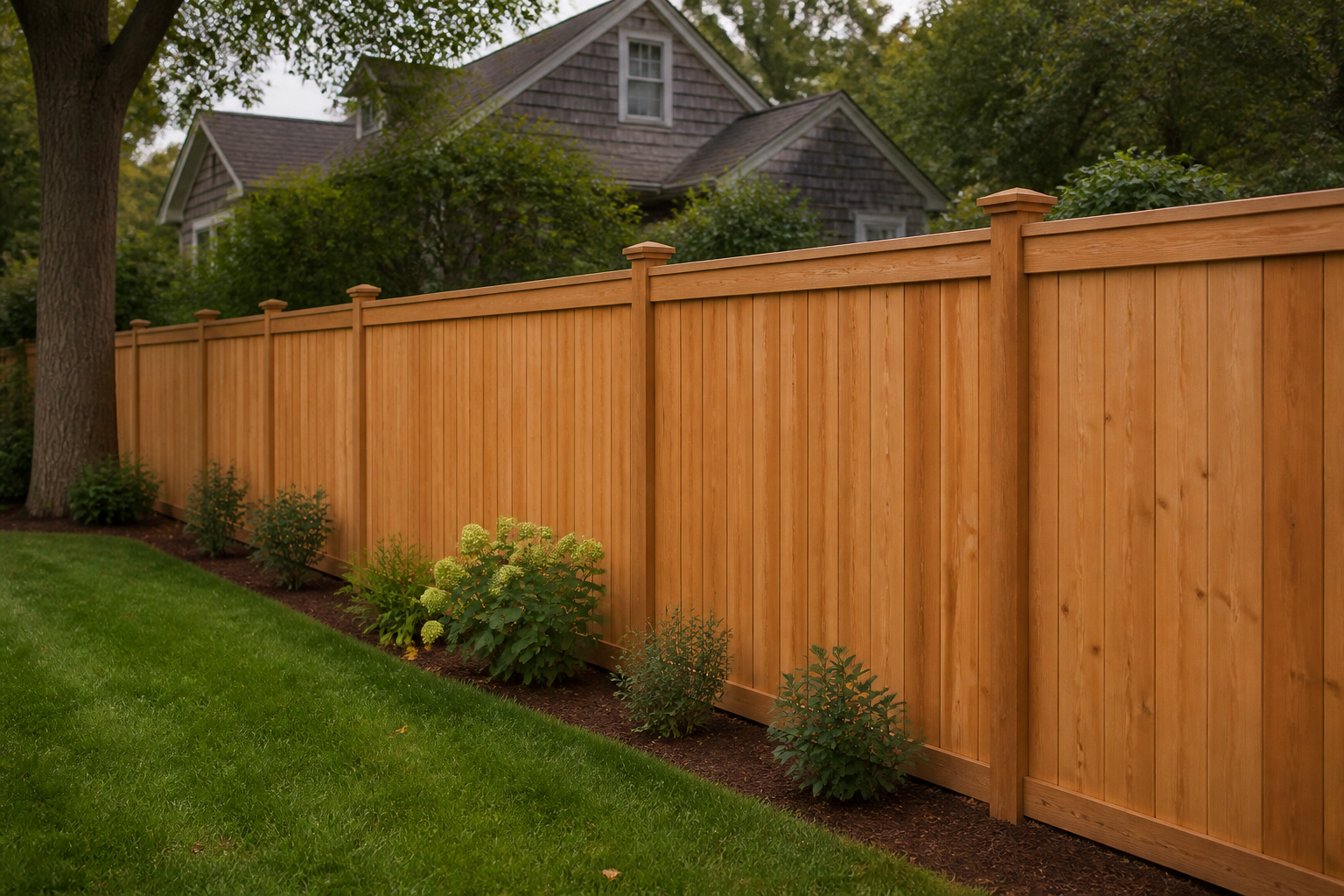 Wood Privacy FencesSolid 6 ft cedar or pressure-treated pine, no gaps, stockade or board-on-board. Full coverage from grade up for overlooked yards, exposed decks, and pools. The most wind-loaded fence we build, so post depth carries the job.
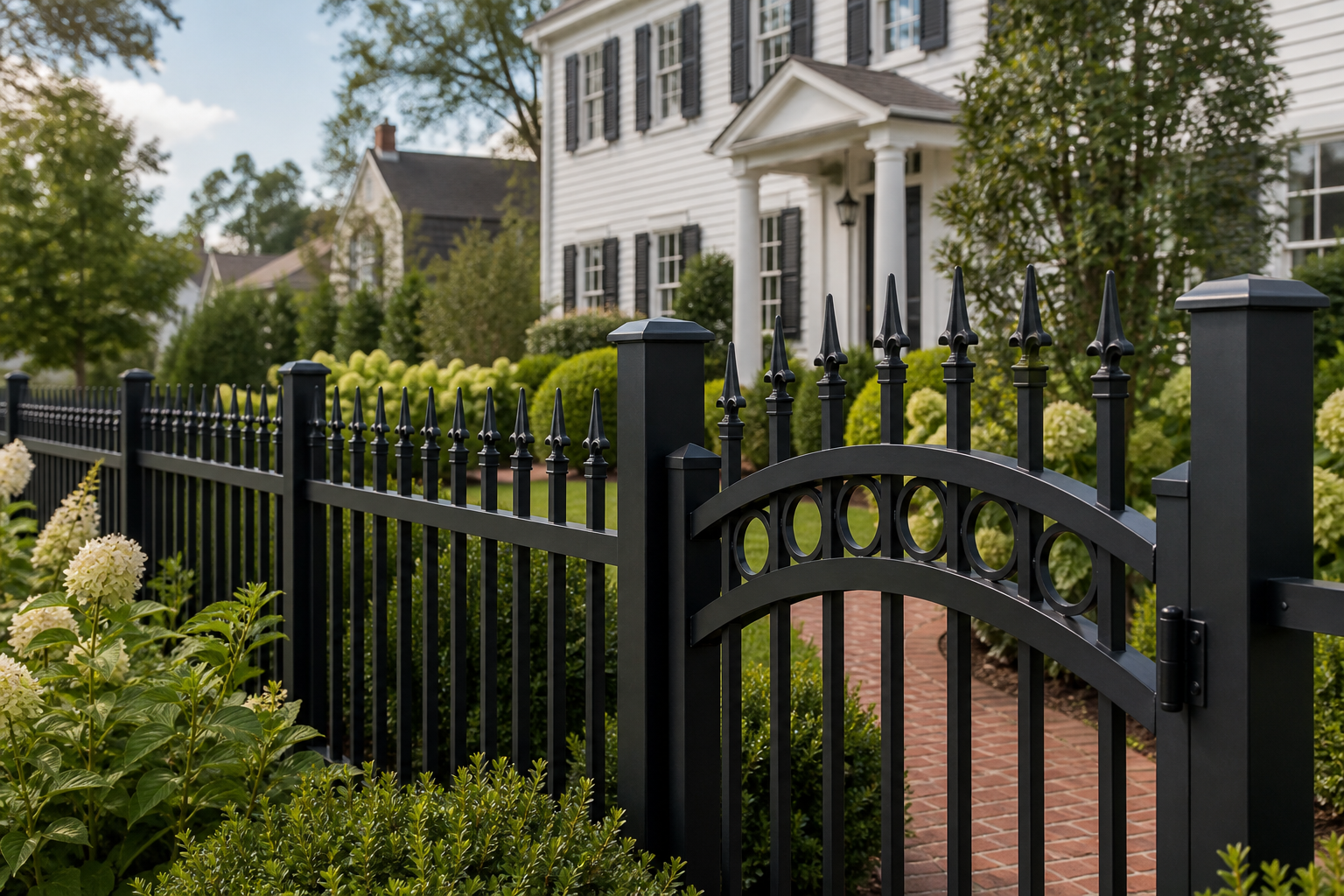 Aluminum FencesThe rust-proof ornamental fence. Aluminum panels rack to follow a sloped yard, arrive powder-coated in black or bronze, and meet Massachusetts pool barrier code at 4 ft with self-closing hardware. Runs $28 to $134 per foot installed.
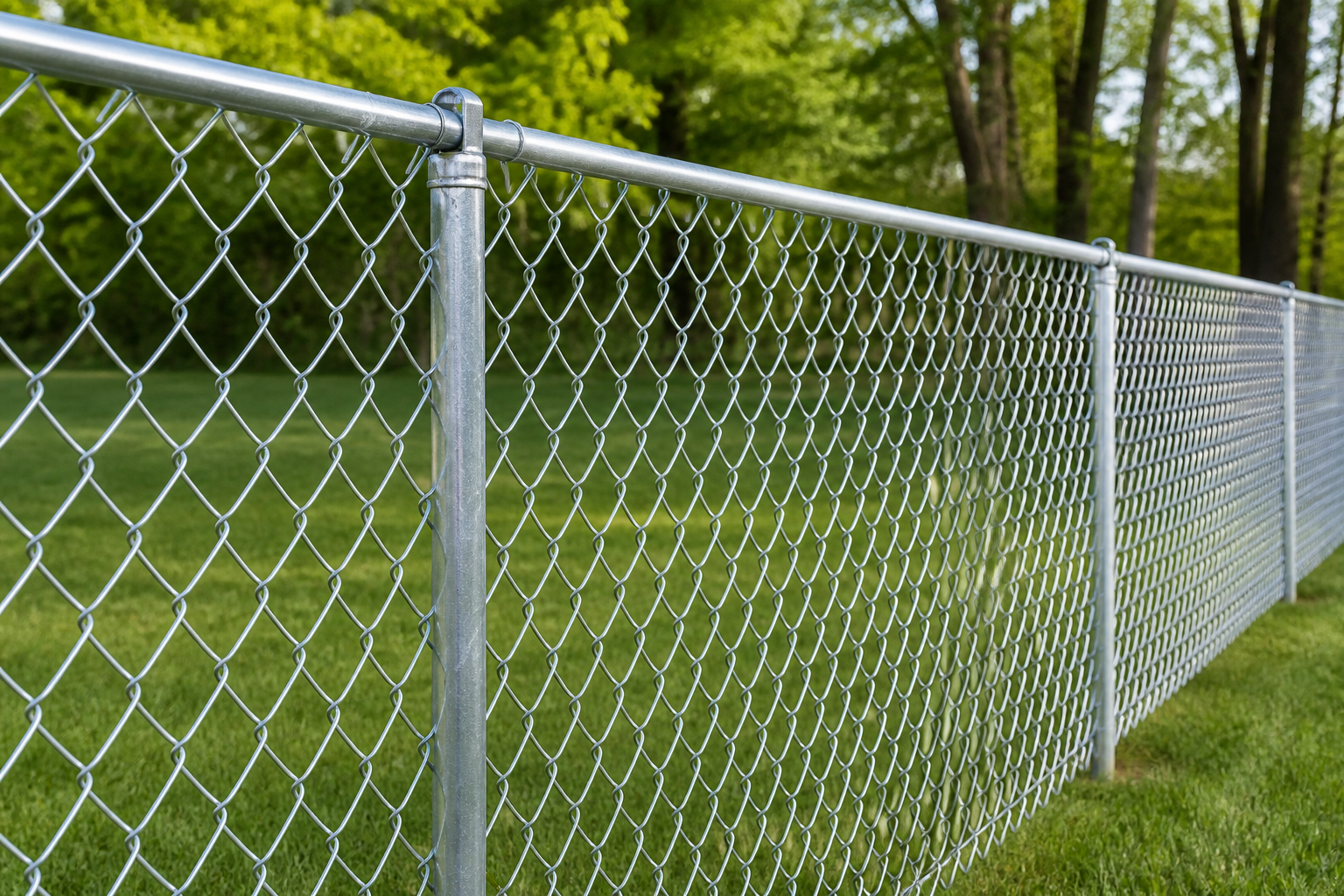 Chain-Link FencesThe budget and utility anchor of the metal family, and our most-installed metal fence at 29 projects. Galvanized or black vinyl-coated mesh, 4 to 8 ft, gates to match, from $11.50 to $48 per foot installed.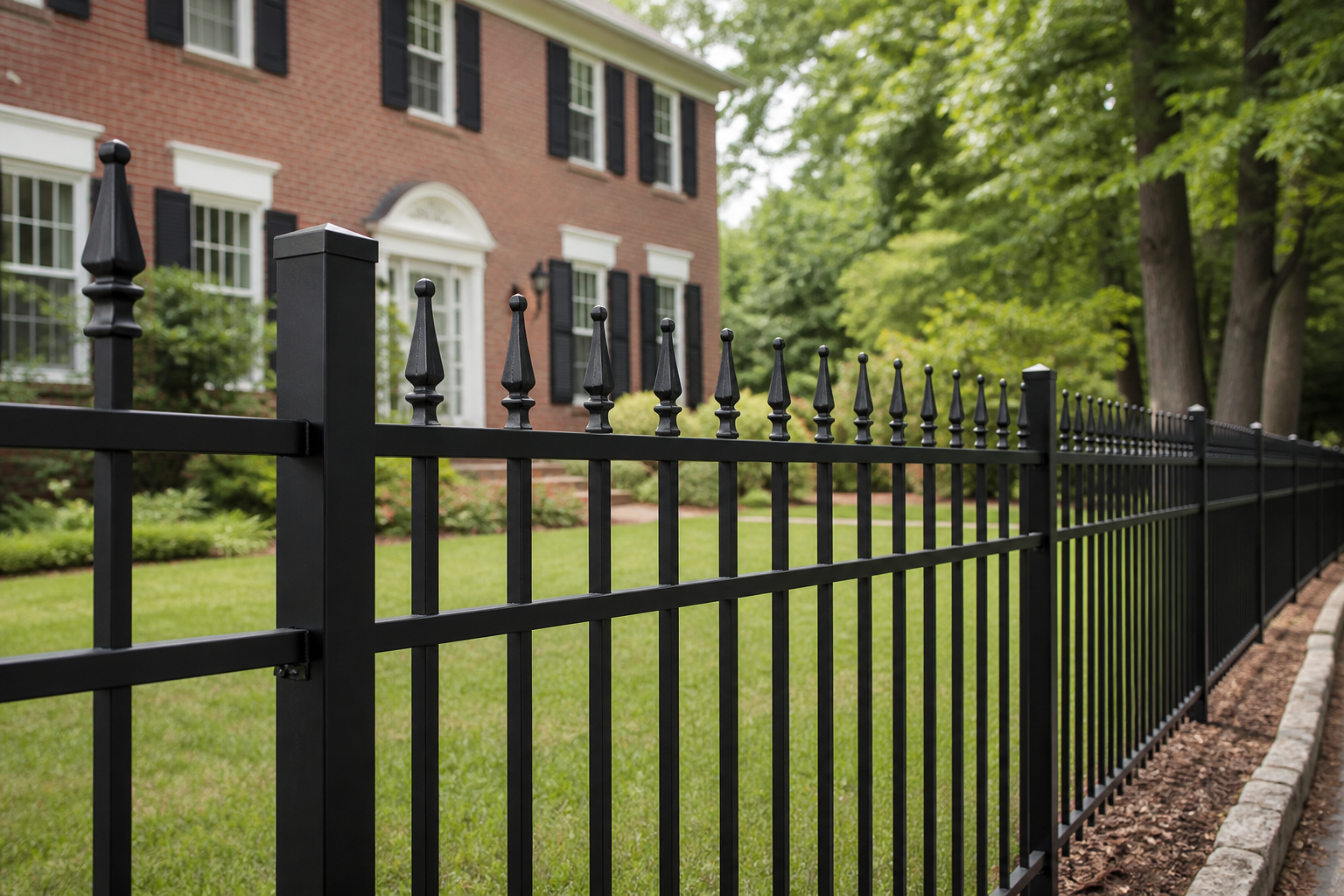
FAQ
It comes down to the posts. A cracked panel or a loose rail is a repair. Posts that have rotted at the base or leaned past re-plumbing, across the run, mean the fence is done and a replacement is what lasts. We will tell you which one you have before you spend a dollar.
It leaves with us. We take down the panels, posts, and gates, dig out the concrete footings, and haul the whole lot off the property in the same job.
Yes. They are heavy chunks of concrete set deep, and a new post cannot go where the old one's footing still sits. We break them out and dig them up so the new posts land in solid ground.
Usually, but we confirm the property line first. Fences drift over the years, and the new one has to sit on your side of the line. Massachusetts even has appointed fence viewers for boundary disputes, and we would rather keep you clear of that.
Almost always the footing. When the soil freezes it swells and lifts any post set above the frost line, and the fence tips with it. We set the new posts below the frost line, around four feet down in much of Massachusetts, so the freeze cannot lift them.
It depends on the material. Wood tends to run ten to fifteen years, pressure-treated longer; vinyl and metal can go twenty-five or more with little upkeep. We will walk you through it before you decide.